



Sofia Airport
Website Redesign
From static content to a scalable passenger experience.

Mobile UX
Accessibility
Analytics
Role: Product Designer - UX & Information Architecture Lead
Timeline: 4 Months
Tools used:

Figma

Illustrator

Photoshop

Wordpess

Teams

Google Forms
From task-first IA and design systems to implementation-ready delivery.
Sofia Airport
Website Redesign
From static content to a scalable passenger experience.
Mobile UX
Accessibility
Analytics
Role: Product Designer - UX & Information Architecture Lead
Timeline: 4 Months
Tools used:
Figma
Illustrator
Photoshop
Wordpess
Teams
Google Forms
From task-first IA and design systems to implementation-ready delivery.
At a Glance
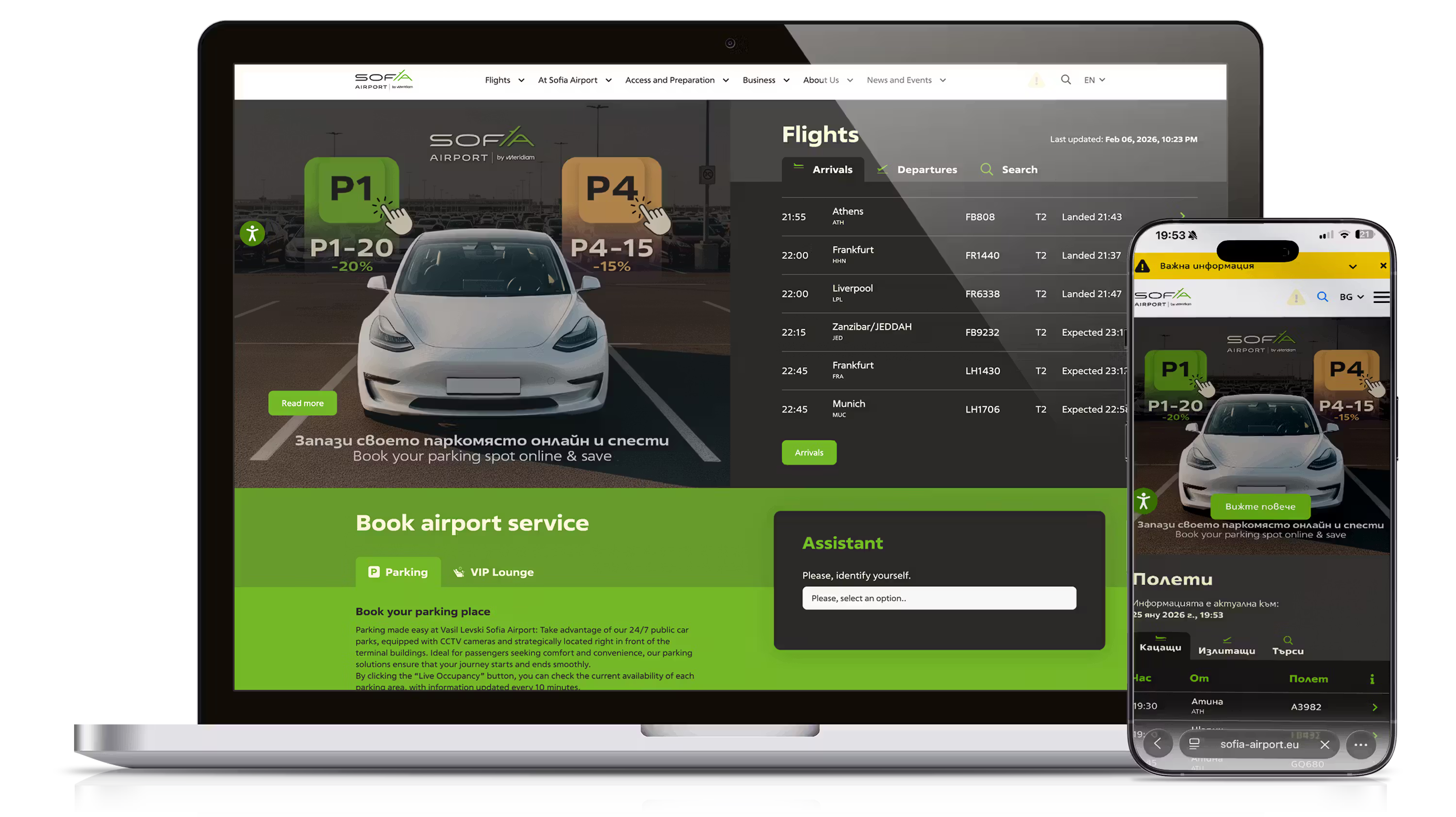
Sofia Airport’s website is an operational product. Most visitors arrive under time pressure with one clear intent: flights, parking, or travel rules.I redesigned the information architecture and template system to reduce hesitation and keep the experience coherent as operations change.
Key journeys: Flights • Parking • Travel information
CHALLENGE
The legacy site behaved like a notice board: information existed, but the structure didn’t match passenger intent. Priority tasks competed with secondary content, navigation logic was inconsistent, and critical pages lacked a predictable hierarchy — increasing drop-off and pushing users to call support for “basic” answers.
APPROACH
I designed a task-first information architecture built around the highest-intent journeys (Flights, Parking, Travel rules), paired with a scalable design system and template governance so the site can evolve without losing clarity. The approach prioritised scanability, multilingual consistency, accessibility fundamentals, and “operational change readiness”.
RESULT
Bounce rate improved from ~80% to <18% after launch.Measured on key passenger journeys (Flights, Parking, Travel Info) using analytics. This reflects clearer routing, higher content relevance, and faster task completion for high-intent users.
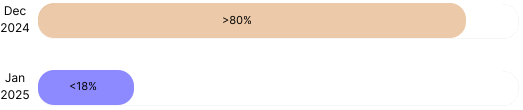
Measurement note: Post-launch comparison, same traffic sources, key landing pages only.
Scope: Flights • Parking • Flight Info landings
Signature features shipped
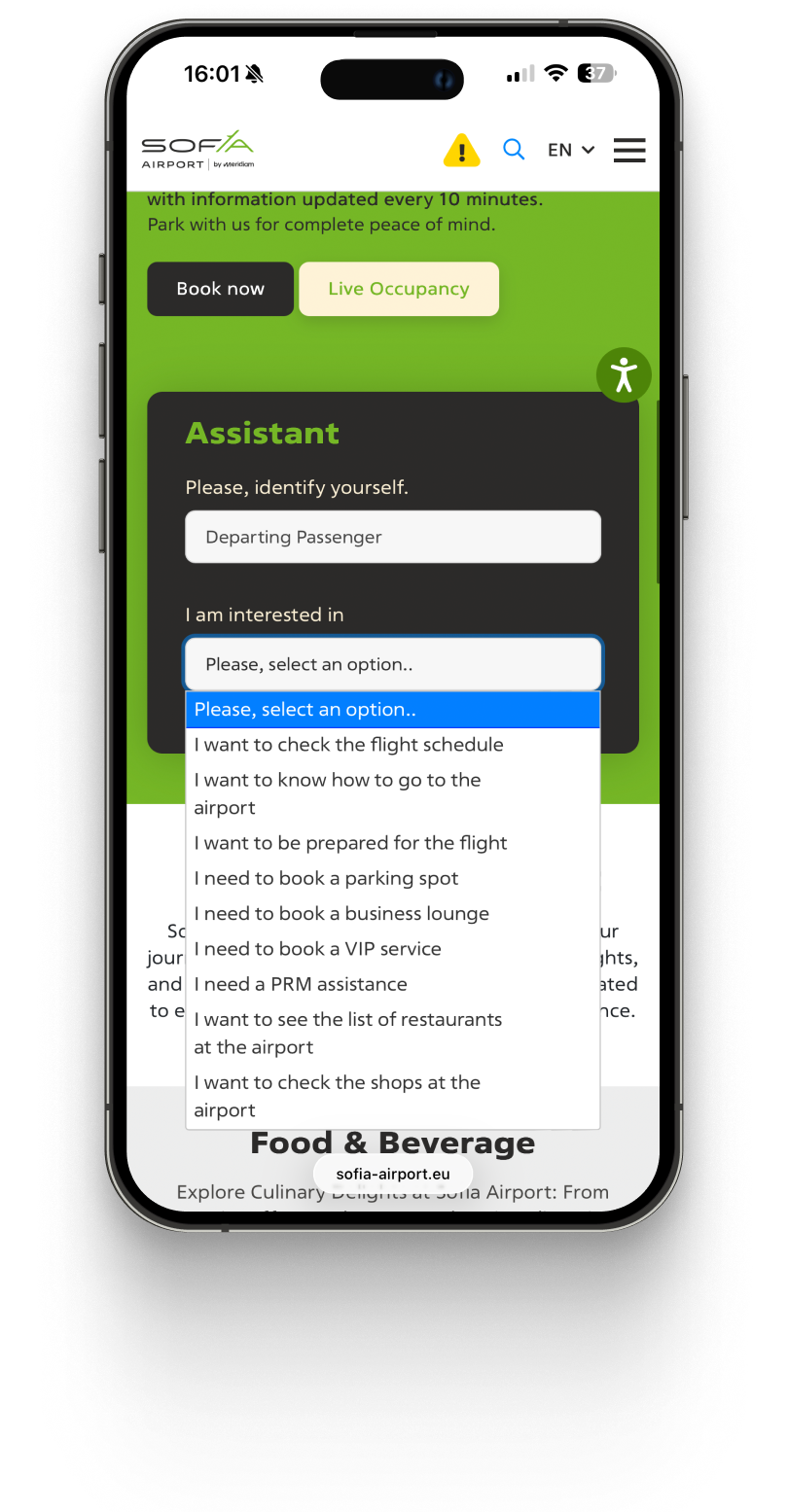
Self-Identification Assistant (Task Router)
Routes passengers to the shortest path in seconds.
• Identify role (departing / arriving / meeting someone)
• Select intent (flights, parking, travel rules, PRM, services) → direct routing
Why it matters: reduces hesitation and wrong turns under time pressure.
Validation: Similar task routers emerged at leading airports at the same time (Changi: Dec 2024; Sofia: Jan 2025).
Self-Identification Assistant (Task Router)
Routes passengers to the shortest path in seconds.
• Identify role (departing / arriving / meeting someone)
• Select intent (flights, parking, travel rules, PRM, services) → direct routing
Why it matters: reduces hesitation and wrong turns under time pressure.
Validation: Similar task routers emerged at leading airports at the same time (Changi: Dec 2024; Sofia: Jan 2025).

Real-time Parking Occupancy (Live Status)
Turns live operational data into confident parking decisions.
• Clear status model: Available / Limited / Full (scannable at a glance)
• Paired actions: Book now + Live occupancy for quick planning
Why it matters: reduces uncertainty before arrival and supports high-intent conversion.
Real-time Parking Occupancy (Live Status)
Turns live operational data into confident parking decisions.
• Clear status model: Available / Limited / Full (scannable at a glance)
• Paired actions: Book now + Live occupancy for quick planning
Why it matters: reduces uncertainty before arrival and supports high-intent conversion.
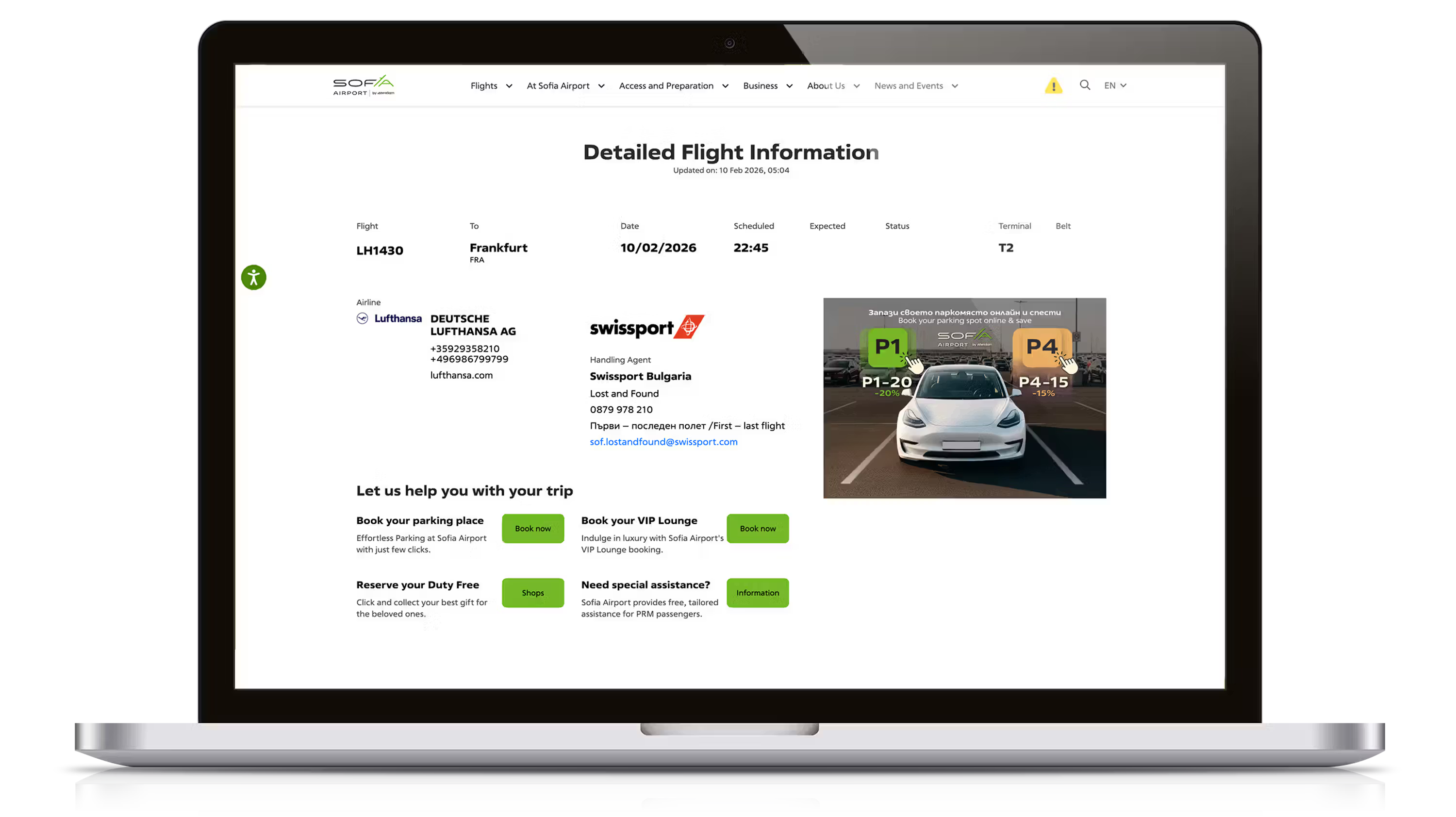
Flight Information (Lookup to Action)
Transforms flight lookup into a practical service hub.
• Redesigned flight details for clarity: key status, terminal, belt, and contacts
• Next-step actions surfaced: parking, VIP lounge, PRM assistance, and services
Why it matters: helps passengers move from “information” to “action” without losing trust.
Flight Information (Lookup to Action)
Transforms flight lookup into a practical service hub.
• Redesigned flight details for clarity: key status, terminal, belt, and contacts
• Next-step actions surfaced: parking, VIP lounge, PRM assistance, and services
Why it matters: helps passengers move from “information” to “action” without losing trust.
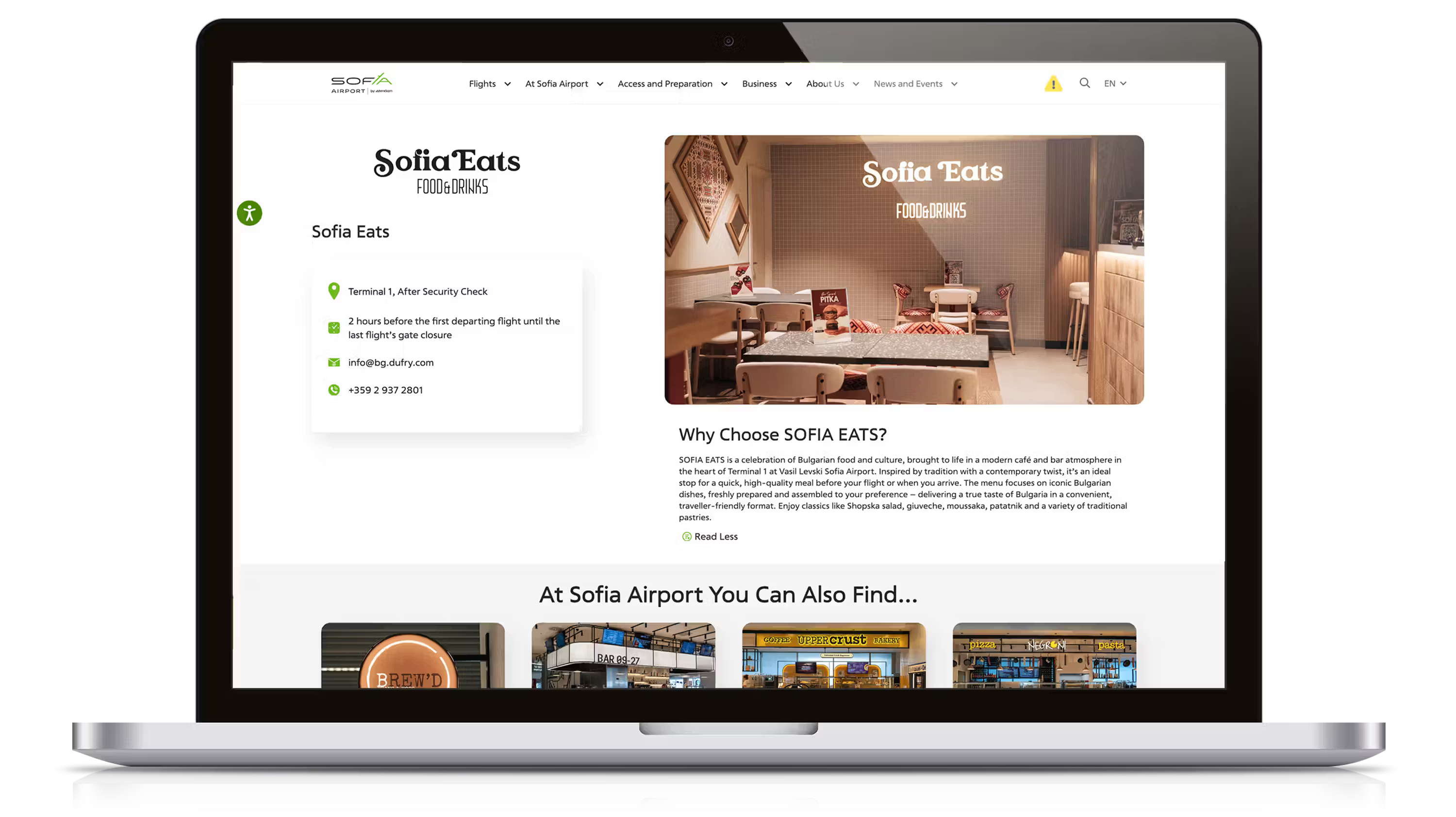
Commercial Units (Scalable Tenant Templates)
Standardises high-volume tenant pages with governance-ready templates.
• Essentials first: location, terminal, opening hours, contacts, and key details
• Consistent structure across venues to prevent UX drift as content scales
Why it matters: passengers find what they need fast - and the airport can update safely at scale.
Commercial Units (Scalable Tenant Templates)
Standardises high-volume tenant pages with governance-ready templates.
• Essentials first: location, terminal, opening hours, contacts, and key details
• Consistent structure across venues to prevent UX drift as content scales
Why it matters: passengers find what they need fast - and the airport can update safely at scale.
Passenger Intent is Urgent
Airport users don’t browse — they execute. They arrive stressed, often on mobile, sometimes in low connectivity, and they need a short, predictable path to completion. The UX must support fast scanning, clear status communication, and recovery when something changes (delays, gate updates, terminal re-routes).
Constraints
This redesign had to respect real operational constraints:
• A large legacy content library with mixed quality and inconsistent taxonomy
• Multiple stakeholders publishing information with different priorities
• Frequent operational updates that must remain visible and trustworthy
• Bilingual UX and content structure that stays equivalent across languages
• Accessibility fundamentals (contrast, hierarchy, keyboard support, clear focus states)
• “Crisis-ready” patterns (disruptions, notices, urgent updates)
Need an operational UX system that stays clear as things change?
I help teams reduce friction across high-intent journeys through task-first IA, scalable templates, and measurable outcomes.
More Case Studies
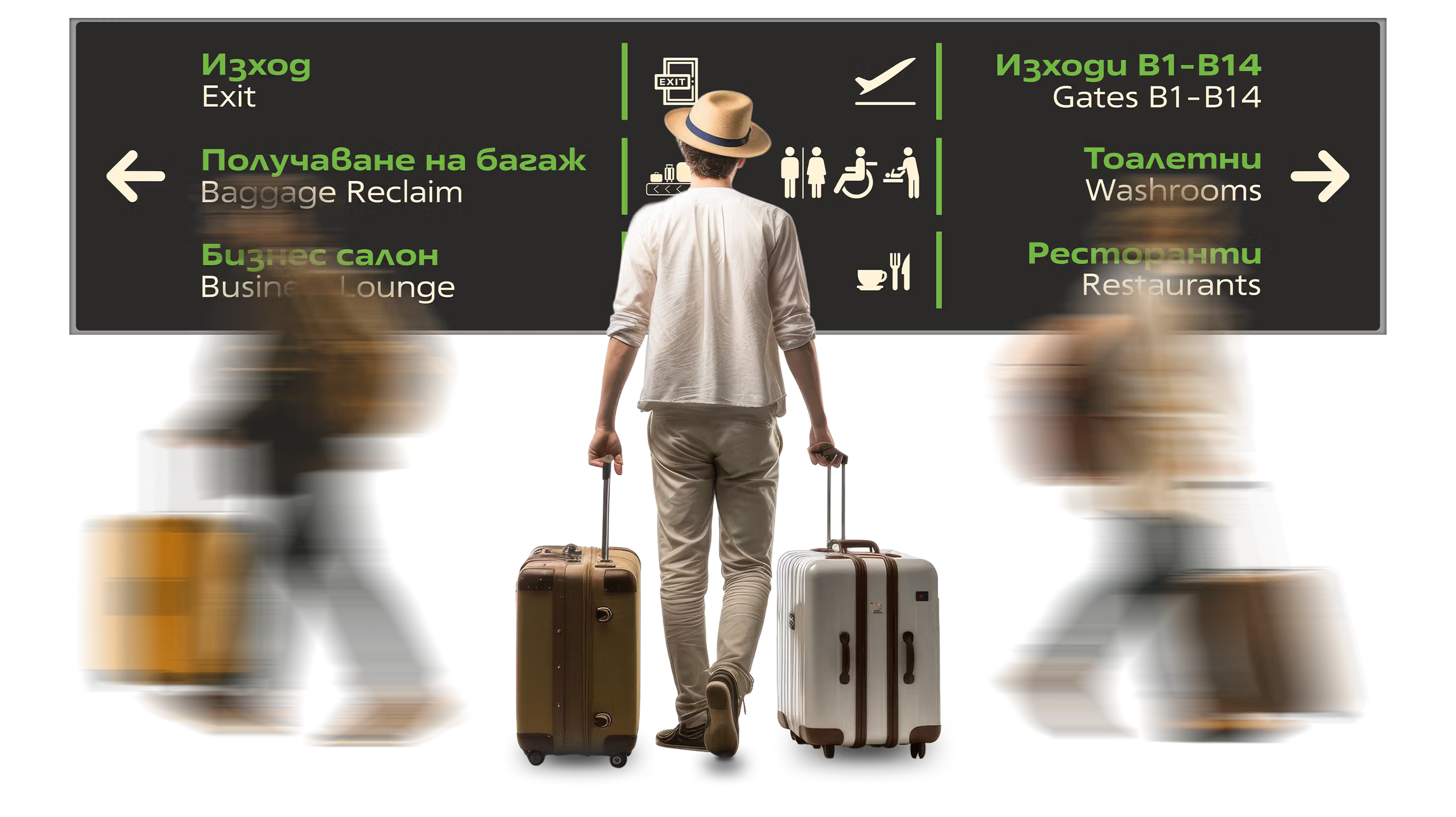
Sofia Airport Wayfinding Redesign
A strategic wayfinding system built for Schengen compliance, accessibility, and measurable passenger outcomes.
View case study

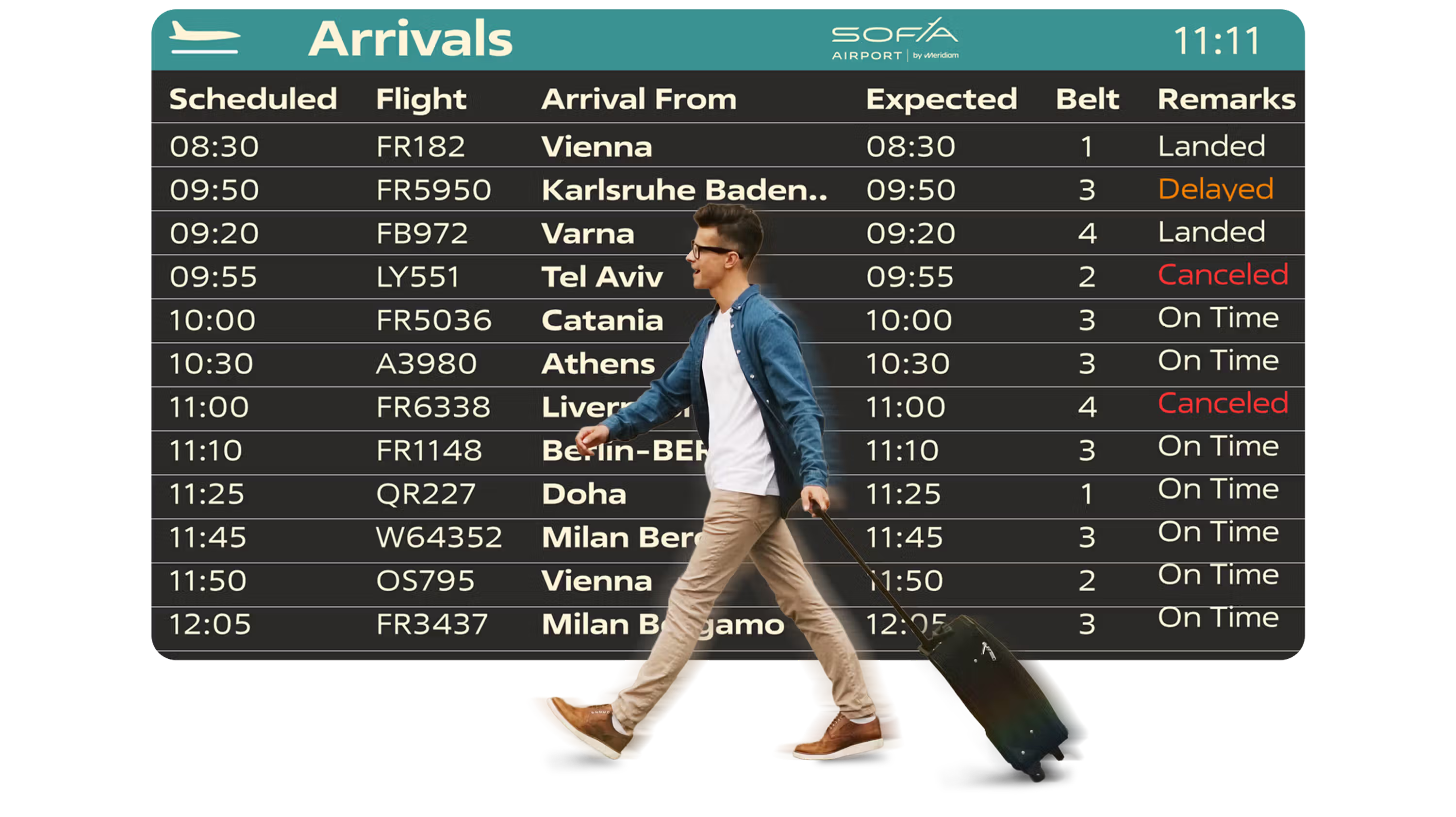
Sofia Airport FIDS
Designed a readable FIDS UX/UI system for distance viewing and speed.
View case study
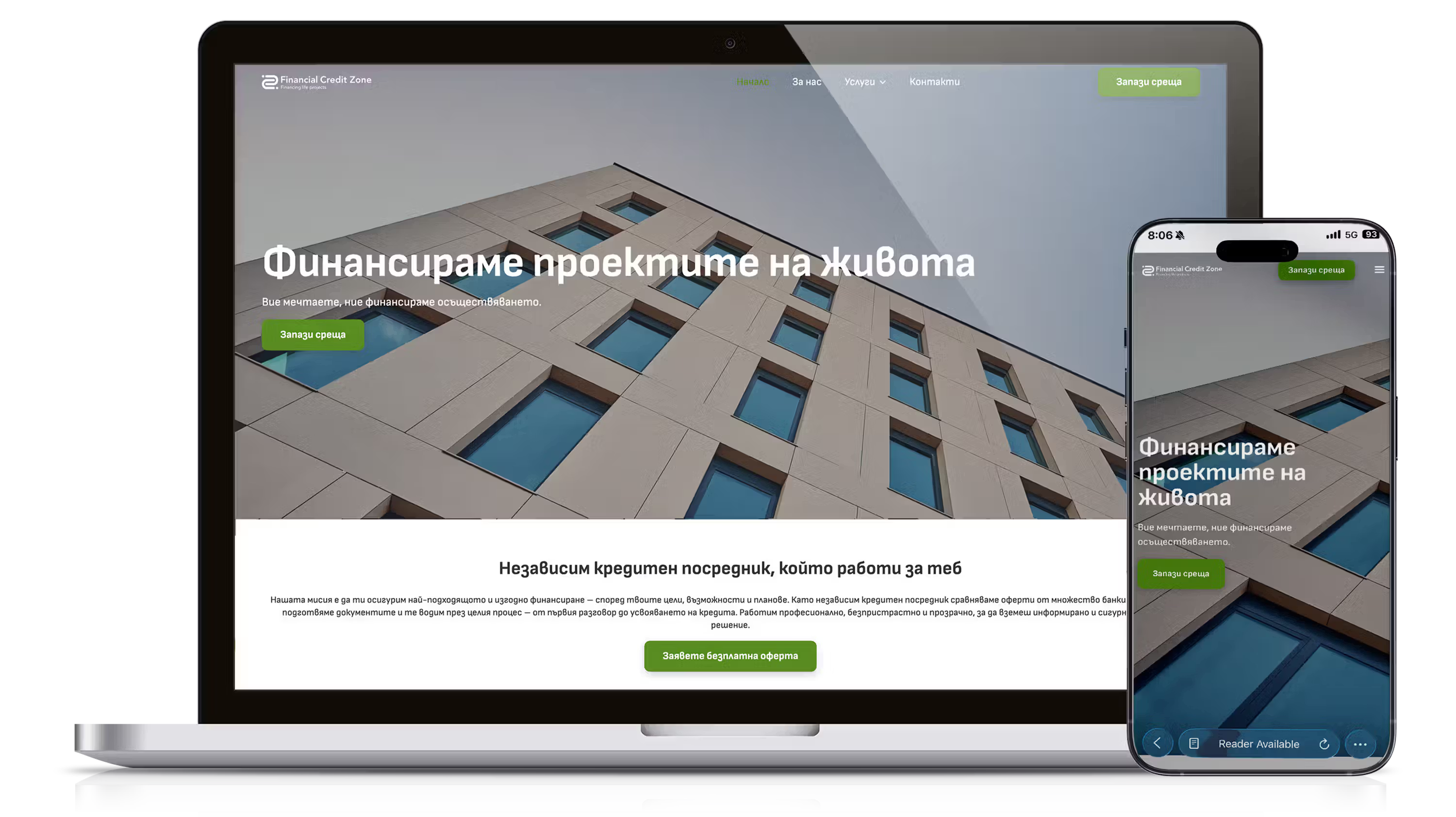
FCZone Website
Built brand, IA, and calculators with real-world fee logic.
View case study
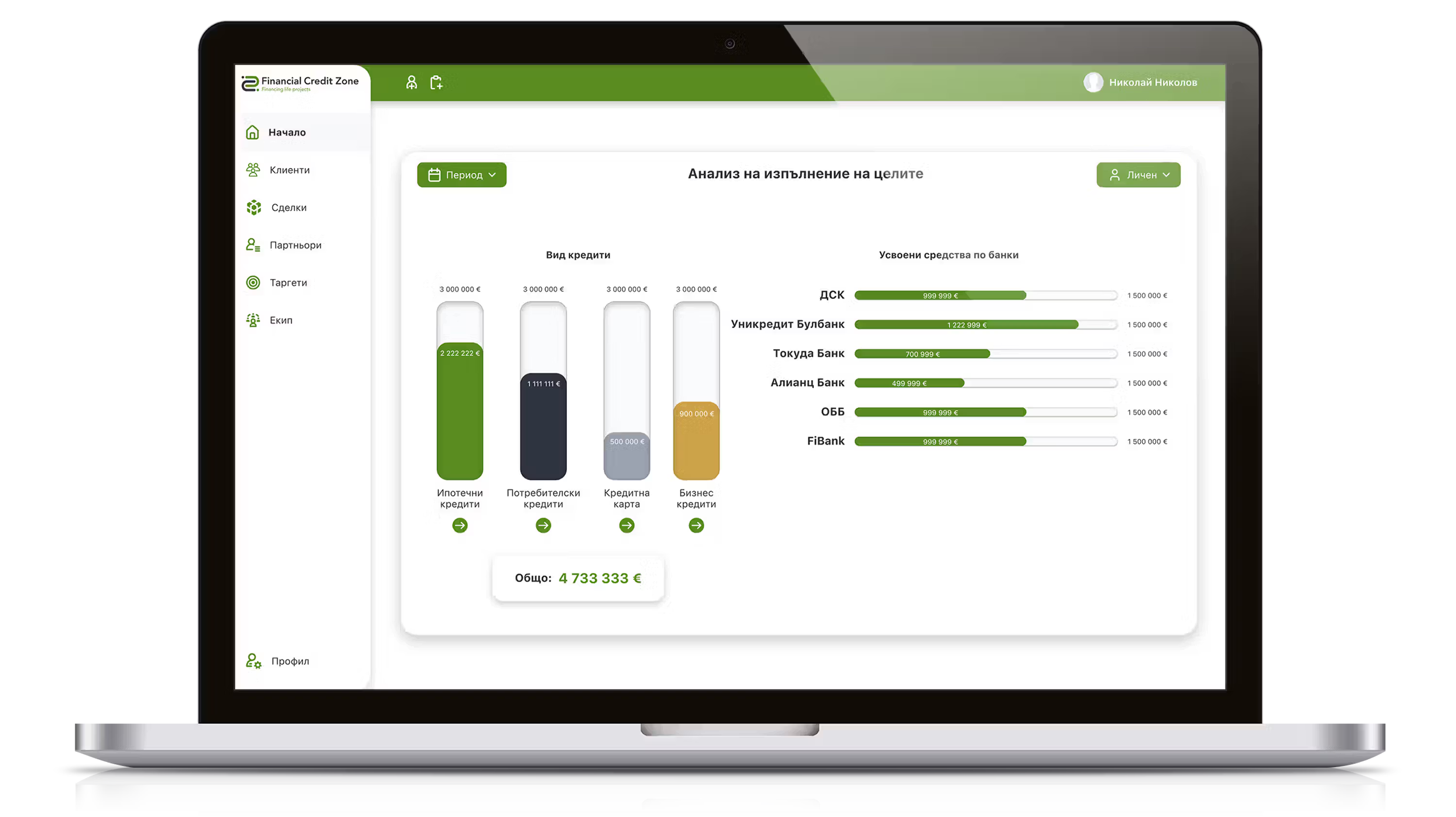
FCZone Custom CRM
Designed an automation-ready workflow that captures data once and stays traceable.
View case study
Strategic Product Design for high-stakes digital systems - UX/UI, IA & Webflow execution.


© Churkov, 2026